Used Industrial and Commercial Machinery Makes Business Sense
For many UK businesses, used industrial and commercial machinery is no longer a last resort – it is a smart, strategic choice. Choosing used industrial and commercial machinery, whether you call it second-hand machinery, pre-owned equipment, used factory machines or used plant and equipment, can deliver high-performing assets at a fraction of the cost of buying new. This approach allows you to access cost-effective machinery that still meets demanding production standards, while freeing up capital to invest elsewhere in the business. Instead of tying up large sums in brand-new equipment, you can acquire reliable, proven machines that have already demonstrated their value in real working environments.
Used machinery helps you reduce waste, shorten lead times and avoid long manufacturer backlogs. It can be installed and brought into service quickly, enabling you to respond faster to new contracts, expand capacity, or replace failed machines with minimal disruption. In many sectors, well-maintained used plant and equipment performs just as effectively as new, making it a logical choice for businesses that want to stay competitive without overspending. In short, buying used is not about compromise; it is about making capital work harder and gaining access to the tools you need at the right price.
The Business Case: Cost Savings and ROI of Used Industrial and Commercial Machinery
The financial case for used industrial and commercial machinery is compelling. By choosing used equipment, you immediately reduce capital costs and lower the initial outlay required to upgrade or expand your operation. Instead of facing a large, one-off bill for new machinery, you benefit from a lower upfront investment that is easier to fund, easier to justify, and easier to recover through day-to-day operations. This can transform major purchases into budget-friendly equipment decisions that sit comfortably within your existing financial plans.
Machinery depreciation is also a crucial part of the equation. New machines typically lose a significant portion of their value in the early years, which can weaken your balance sheet and reduce resale potential. Used machinery has already passed through the steepest part of the depreciation curve, so its value usually declines more slowly and more predictably. This often improves your return on investment and total cost of ownership. You can gain the production benefits of high-quality machinery without paying the premium associated with being the first owner. The result is better cash flow, greater financial flexibility, and a stronger overall ROI on every machine you bring into your factory, warehouse or site.
Types of Used Industrial and Commercial Machinery You Can Buy with Confidence
The used machinery market in the UK is broad and mature, offering a wide variety of equipment that businesses can buy with confidence. You will find used manufacturing machinery for metalworking, plastics, textiles and more, often from well-known brands with strong reputations for reliability. Used packaging machines are widely available for bottling, labelling, filling and wrapping applications, helping producers rapidly scale up output or diversify their product lines without long lead times.
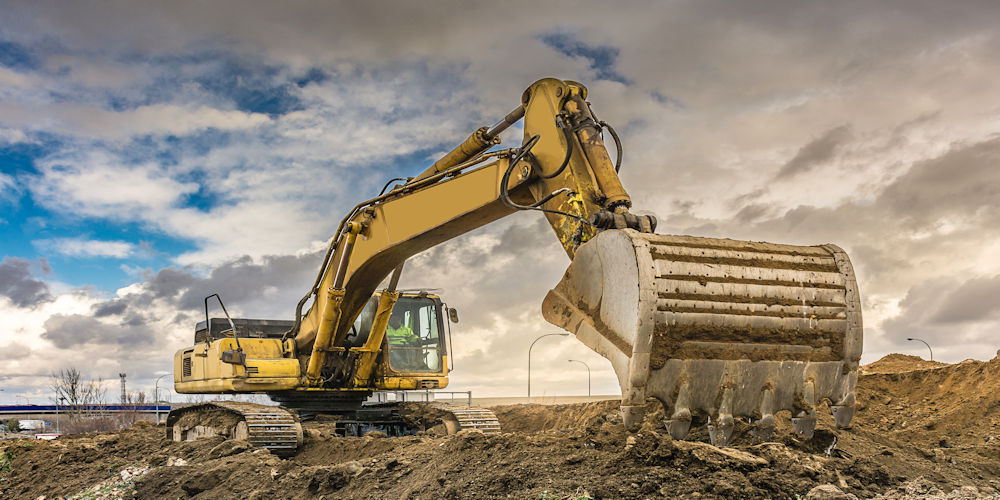
For precision engineering and production, used CNC machines can be an excellent choice, offering advanced capabilities such as multi-axis machining and automated tool changing at a reduced price point. Food and drink producers can benefit from used food processing equipment, including mixers, ovens, conveyors and filling lines, many of which come from hygiene-conscious environments with full maintenance histories. Construction and civil engineering firms can source used construction machinery such as excavators, loaders, cranes and access platforms, enabling them to mobilise quickly for new projects.
Used printing presses, from digital to litho, remain popular with print houses and packaging companies looking to boost capacity or add new formats. In logistics and storage, used warehouse equipment like forklifts, pallet trucks, racking and conveyors can transform throughput without the cost of buying new. Even building services and backup systems are covered: used HVAC systems and used generators can provide climate control and emergency power at significantly lower cost, particularly when sourced from reputable suppliers who test and certify their performance.
Where to Source Reliable Used Industrial and Commercial Machinery
Finding reliable used industrial and commercial machinery starts with choosing the right source. Dedicated machinery dealers in the UK often specialise in particular sectors, such as metalworking, plastics, construction, print or food processing. These dealers typically inspect, test and, in many cases, refurbish equipment before resale, offering you a higher degree of confidence than a private sale. Used equipment marketplaces bring together listings from multiple dealers and sellers, allowing you to compare options, specifications and prices in one place.
Online machinery auctions can be an excellent route to surplus industrial equipment from closing factories, relocations or capacity reductions. Similarly, liquidated assets and ex-lease machinery often represent well-maintained, relatively modern equipment that has been cared for under strict service agreements. Many certified used machinery suppliers provide documentation, service records and condition reports, giving you a clearer view of what you are buying. By partnering with established suppliers who understand your industry, you can reduce the risks often associated with buying used and secure machines that perform as promised.
How to Assess the Condition and Quality of Used Industrial and Commercial Machinery
A structured approach is essential when assessing used industrial and commercial machinery. Start with a detailed machinery inspection checklist tailored to the type of equipment you are buying. This should cover mechanical components, electrical systems, safety features, control panels and any consumable parts subject to regular wear. Check the recorded hours of use or cycles where available, as these figures can be a useful indicator of how intensively the machine has been operated.
Request maintenance records and full service history to see how regularly the machine has been serviced, whether manufacturer recommendations were followed and whether major components have been replaced. Condition grading, often provided by reputable dealers, can summarise the state of the equipment using standardised terms such as “as-new”, “good working order” or “in need of refurbishment”. Look carefully for signs of wear and tear such as leaks, unusual noises, excessive play in moving parts or outdated electrical wiring.
Many machines are sold as refurbished or reconditioned equipment, meaning they have undergone repairs, replacements and testing to restore performance. Factory-tested machines that have been run under load and checked against performance specifications can give you extra reassurance. When possible, arrange a live demonstration or trial run to confirm the equipment operates smoothly, meets your throughput requirements and integrates with your existing systems.
Key Safety and Compliance Checks for Used Machinery in the UK
Safety and legal compliance are non-negotiable when purchasing used machinery in the UK. You must ensure that the equipment meets relevant UK safety standards and carries appropriate CE or UKCA marking, depending on its age and the regulatory framework that applied at the time of manufacture or import. Compliance with PUWER (Provision and Use of Work Equipment Regulations) is essential, as these regulations set out clear requirements for the safe use of machinery in the workplace.
Conduct a thorough health and safety compliance review and risk assessment before bringing the machine into service. This should include checking guarding and safety devices such as emergency stop buttons, interlocks, light curtains and protective covers. Electrical safety testing, including PAT testing and verification of wiring and control panels, helps ensure the machine is safe to connect and operate. Make sure all documentation and manuals are available and up to date; these are vital for safe operation, maintenance and operator training. By addressing safety and compliance at the purchasing stage, you protect your workforce, reduce the likelihood of accidents, and avoid costly enforcement actions or downtime later on.
Financing Options for Used Industrial and Commercial Machinery
You do not need to pay cash upfront to benefit from used industrial and commercial machinery. A range of machinery finance solutions in the UK are specifically designed for equipment purchases, including hire purchase and equipment leasing arrangements. These allow you to spread the cost of used machinery over an agreed term while generating revenue from its use, often aligning payments with the cash flow it helps to create.
Asset finance providers and specialist lenders offer loans for used machinery that take into account the residual value of the equipment and its expected working life. Flexible payment terms can be negotiated to suit your trading cycle, for example with seasonal schedules for industries affected by peak periods. By using finance instead of cash, you preserve working capital for other priorities such as staff, stock, marketing or product development. This can be particularly beneficial for SMEs that need to upgrade equipment quickly without undermining day-to-day liquidity.
Hidden Costs to Watch For When Buying Used Industrial and Commercial Machinery
While used machinery can deliver substantial savings, it is important to factor in potential hidden costs when evaluating a purchase. Installation costs can vary significantly depending on the complexity, footprint and utilities required for the equipment. Transport and logistics, including specialist haulage, cranes or export packaging, can add materially to the final bill, especially for large or delicate machines.
If you are importing equipment from outside the UK, be aware of import duties and taxes, as well as any customs clearance fees that may apply. Check spare parts availability and typical lead times so you are not caught out by delays when maintenance or repairs are needed. Energy efficiency is another key consideration: older machines may consume more electricity, compressed air or fuel, which can increase operating costs over time.
Downtime costs should not be overlooked. If a machine fails, or if additional work such as refurbishment is required before it can be used, you could face production stoppages or missed deadlines. Factor in training and onboarding costs for your operators, particularly when machines use unfamiliar control systems or technologies. Finally, if refurbishment costs are expected, request detailed quotes in advance and incorporate them into your overall cost-benefit analysis to ensure the deal still makes financial sense.
Negotiating the Best Deal on Used Industrial and Commercial Machinery
Securing the right machine at the right price requires effective negotiation. Start by researching the market value of used machines similar in age, specification and condition. This will give you a realistic benchmark and help you recognise genuine bargains. Always compare multiple quotes from different suppliers; this not only gives you leverage on price, but can also reveal differences in what is included, such as installation, training or initial spares.
When discussing price, do not focus solely on headline figures. Consider warranty terms, after-sales support and the availability of service contracts as part of the overall package. A slightly higher purchase price may be justified by stronger support and lower risk of unplanned downtime. Ask about bulk purchase discounts if you are buying several machines or planning phased investments with the same supplier. Be clear about your budget, timescales and technical requirements, and be prepared to walk away if the deal does not meet your expectations. Professional, informed negotiation helps you strike a balance between cost, quality and long-term reliability.
Warranty, Service and After-Sales Support: Reducing Risk on Used Equipment
One of the most effective ways to reduce risk when buying used machinery is to secure strong warranty and after-sales support. Many reputable suppliers offer a used machinery warranty that covers parts and, in some cases, labour for a defined period after installation. This can provide critical protection against early failures and unforeseen defects. Beyond the initial warranty, service agreements and maintenance contracts give you structured, predictable support to keep machines running efficiently.
Technical support, whether by phone, online or on-site, can significantly reduce downtime by helping your team diagnose and resolve issues quickly. Check the availability of engineers and how quickly they can attend your site in the event of a breakdown. Increasingly, suppliers offer remote diagnostics, using sensors and connectivity to monitor machine performance and identify problems before they cause serious disruption. Extended warranty options may also be available, which can be particularly appealing for high-value or mission-critical equipment. Taken together, these services turn a used machinery purchase into a managed, lower-risk investment.
Sustainability Benefits: How Used Industrial and Commercial Machinery Supports ESG Goals
Used industrial and commercial machinery plays a meaningful role in supporting environmental, social and governance (ESG) objectives. By opting for used equipment rather than new, businesses contribute to carbon footprint reduction, as fewer resources and less energy are required to manufacture new machines. This helps lower the embedded emissions associated with capital equipment and supports broader climate commitments.
Resource efficiency is at the heart of the circular economy in manufacturing, and extending equipment life is a practical, measurable way to embrace this approach. Rather than scrapping machines that still have years of productive use left, the used market keeps them operating, reducing the demand for raw materials and minimising waste. Choosing used machinery can also align with sustainable procurement policies and demonstrate a clear commitment to responsible, green investment. For customers, investors and regulators increasingly focused on ESG performance, this sends a powerful signal that your business is managing resources thoughtfully and looking beyond short-term gains.
Turn Used Industrial and Commercial Machinery into Your Competitive Advantage
Used industrial and commercial machinery can be far more than a cost-saving measure; it can become a genuine competitive advantage. By approaching equipment purchases as a strategic investment, you can practise smarter equipment buying that balances performance, cost, risk and sustainability. Careful selection and due diligence help you reduce risk while gaining access to high-quality assets that might otherwise be beyond your budget.
With the right machinery in place, you can improve profitability through higher productivity, lower operating costs and better utilisation of capital. This in turn supports your ability to scale operations, win new contracts and respond quickly to changing market conditions. Aligning used equipment purchases with your ESG and growth objectives creates a platform for sustainable growth rather than short-term gains.
The next step is to start searching for used machinery that meets your current and future requirements. Partner with trusted machinery dealers and certified suppliers who understand your sector, stand behind the equipment they sell, and provide the support needed to keep it running. By doing so, you transform used industrial and commercial machinery from a simple purchase into a deliberate, long-term strategy for building a stronger, more resilient and more sustainable business.