Modular Buildings: A Smarter Approach to Modern Construction
Modular buildings are rapidly becoming one of the most popular solutions in the modern construction industry — and for good reason. Combining speed, flexibility, cost efficiency, and quality, modular construction provides a practical alternative to traditional building methods.
From offices and classrooms to healthcare facilities and residential properties, modular buildings are changing the way organisations create, expand, and adapt their spaces.
What Are Modular Buildings?
Traditional construction typically involves building an entire structure on-site. Modular construction takes a different approach.
Instead, individual sections of a building — known as modules — are manufactured in a controlled factory environment. Once production is complete, the finished modules are transported to their destination and assembled on-site to create a fully functional building.
This approach can significantly reduce construction times while maintaining high standards of quality and consistency. It also allows projects to progress with less reliance on unpredictable site conditions, making modular buildings an increasingly attractive option across a wide range of industries.
Smart Design and Exceptional Durability
Modern modular buildings are designed and manufactured using robust materials, including steel, timber, and concrete. The result is a durable, long-lasting structure that can meet the demands of everyday use and challenging weather conditions.
Importantly, modular construction doesn’t mean compromising on design.
Each project can be tailored to the client’s specific requirements, with architects and engineers working closely with customers to develop layouts, specifications, and finishes that suit their needs.
Once the design has been approved, modules are manufactured with precision in specialist facilities. Working in a controlled environment allows manufacturers to closely monitor quality, maintain consistency, and ensure each component meets the required specifications before it reaches the site.
Faster Installation with Less Disruption
Speed is one of the biggest advantages of modular construction.
While modules are manufactured off-site, other project elements can often be prepared simultaneously. This parallel approach can help shorten the overall construction programme compared with traditional building methods.
Once manufacturing is complete, modules can be transported to the site by road, rail, or water, depending on the project’s location and requirements.
Experienced installation teams then assemble the structure and complete the necessary connections, roofing, cladding, services, and internal fit-out.
For many projects, this means a building can be ready for use considerably sooner, helping organisations minimise disruption and get their new facilities operational faster.
Cost-Effective and Adaptable
Modular construction can also offer significant cost advantages.
Manufacturing within a controlled factory environment allows production processes to be streamlined, labour to be used efficiently, and material waste to be reduced. These efficiencies can help deliver excellent value without compromising on quality.
Another major advantage is adaptability.
Unlike many traditional buildings, modular structures can be designed with future requirements in mind. Buildings can potentially be expanded, reconfigured, relocated, or repurposed as an organisation’s needs change.
This flexibility makes modular buildings particularly useful for businesses experiencing growth, organisations requiring temporary accommodation, and projects where future requirements may not yet be fully defined.
Sustainability at the Core
Sustainability is becoming an increasingly important consideration for organisations planning new construction projects, and modular buildings can offer several environmental benefits.
Manufacturing in a controlled factory environment allows materials to be measured and used efficiently, helping to minimise waste. Less on-site construction activity can also mean fewer deliveries and less disruption around the project site.
Modern modular buildings can also incorporate energy-efficient features, including high-performance insulation, efficient heating and cooling systems, and sustainable materials.
These features can help improve energy performance and reduce the building’s environmental impact over its lifetime.
Modular Buildings for a Wide Range of Industries
One of modular construction’s key strengths is its versatility. Buildings can be designed and configured to meet the requirements of almost any sector.
Commercial and Industrial
Modular solutions can be used for:
- Offices
- Welfare facilities
- Storage units
- Manufacturing spaces
- Retail and pop-up environments
Education
Schools, colleges, universities, and training providers can use modular buildings for:
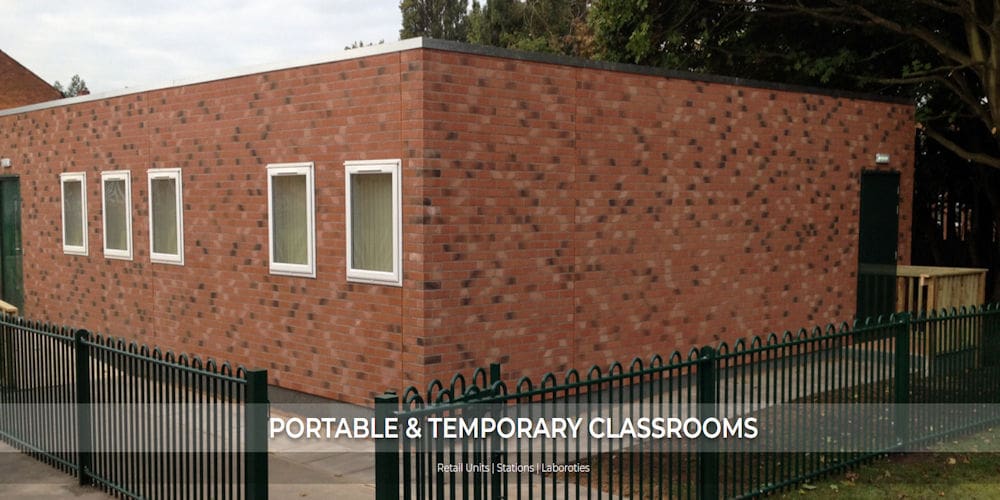
- Classrooms
- Libraries
- Administrative offices
- Staff facilities
- Additional campus accommodation
Healthcare
Modular construction can provide flexible accommodation for healthcare environments, including:
- Clinics
- Consultation rooms
- Diagnostic facilities
- Treatment areas
- Specialist healthcare environments
Residential
Modular construction is also increasingly being used for residential applications, including:
- Bespoke modular homes
- Affordable housing
- Modern living spaces
- Sustainable residential developments
Whether you need a building for a short-term need or a permanent facility, modular construction offers a flexible approach that can be tailored to a wide range of requirements.
Choosing the Right Modular Building Partner
A successful modular building project starts with choosing an experienced and reliable provider. From initial design and manufacturing through to transportation and installation, working with a specialist can help ensure every stage of the project is carefully managed.
Based in Gateshead, Tyne and Wear, Acrol Modular specialises in designing, manufacturing, and installing modular buildings, jackleg cabins, and bespoke structures for customers across the UK.
With a focus on quality artistry, technical expertise, and tailored solutions, Acrol Modular works with clients to develop buildings designed around their individual requirements.
If you’re considering a modular building project and would like to explore your options, contact Acrol Modular on 0191 477 3500 or visit their website to find out more about their modular building solutions.