Composite Doors: Becoming the First Choice for UK Households
Across the UK, more and more homeowners are choosing composite doors for the home as their preferred option when upgrading an entrance. Whether you are replacing a tired old timber door or looking to improve security and energy efficiency, composite front doors consistently come out on top. Modern composite doors combine the best elements of traditional craftsmanship with advanced materials, giving you a stylish, secure and long‑lasting solution that looks good on every type of property. If you want to upgrade your front door, boost kerb appeal and add value to your home, composite doors are now widely considered one of the best doors for UK homes.
What Are Composite Doors? Understanding the Materials and Construction
To understand why composite doors are so popular, it helps to answer a simple question: what is a composite door? Unlike a single‑material door, a composite door is built from a combination of carefully selected materials, each chosen for its particular strength. Typically, composite door construction includes a robust internal core, which may be a high‑density foam core or a solid timber core, surrounded by layers that provide strength, insulation and protection.
On the outside, most modern composite doors feature a durable GRP door skin (Glass Reinforced Plastic). This tough, impact‑resistant outer layer is what you see and touch, and it can mimic realistic woodgrain or create a smooth, modern finish. Behind the skin, foam core doors offer excellent thermal performance and light weight, while timber core composite doors deliver a reassuringly solid feel and added rigidity. Compared with single‑material options such as uPVC, composite doors are designed to overcome the weaknesses of each individual material, giving you the advantages of solid core doors, enhanced insulation and superior durability in one well‑engineered product. This is why uPVC vs composite is no longer a close contest for many homeowners.
Key Benefits of Composite Doors for the Home
The benefits of composite doors go well beyond appearance. When you choose a composite front door, you are investing in a durable front door that is built to withstand years of daily use and harsh British weather. These doors are engineered as long‑lasting doors that keep their shape and strength, unlike some traditional timber options that may swell, warp or crack over time.
One of the biggest attractions is how little effort they require. Composite doors are genuinely low maintenance doors: they do not need regular painting or varnishing, and a quick wipe‑down is usually enough to keep them looking smart. Thanks to the GRP skin and quality finishes, they are both weather‑resistant doors and warp‑resistant, standing up well to driving rain, strong winds and temperature changes. The colours and finishes are generally fade‑resistant too, so your door keeps its good looks for many years. When you add in the excellent security features and insulation levels, it becomes clear why composite doors are now a leading choice for secure external doors across the UK.
Security First: How Composite Doors Keep Your Home Safe
For most households, home security is a top priority, and secure composite doors are designed with this firmly in mind. Many of the best products on the market meet police approved doors standards such as Secured by Design, a UK Police initiative that highlights products proven to resist common burglary techniques. Choosing a Secured by Design composite door means you are investing in independent, tested security.
The strength of the door leaf is only part of the picture. Composite doors typically come with advanced multi‑point locking systems that secure the door at several points along the frame, making it far harder to force open than a basic single‑lock door. High‑quality anti‑snap locks add further protection against lock‑snapping, a method frequently used by intruders. For glazed designs, toughened glass and laminated panes are used to create burglar‑resistant doors that still let natural light into your hallway. Combined, these features turn your entrance into a serious home security upgrade, helping you protect your family and belongings with real confidence.
Energy Efficiency and Insulation: Cutting Your Heating Bills
With energy prices continuing to rise, many homeowners are actively searching for ways to make their properties more efficient. Energy efficient doors can make a noticeable difference, particularly at the front and back of the home where heat loss is common. Thermally efficient composite doors are designed with insulated cores and high‑performance seals that help stop draughts and reduce heat loss around one of the main openings in your property.
Modern insulated doors come with tested U‑values, allowing you to compare how effectively different models retain heat. Composite doors typically offer strong performance in this area, which can contribute to lower energy bills over time. By improving the thermal envelope of your home, they support eco‑friendly home improvements and can help you meet current Part L regulations on energy efficiency. In simple terms, fitting a high‑quality composite door is a practical way to keep your home warmer in winter, cooler in summer and more comfortable all year round, while also doing your bit for the environment.
Style and Kerb Appeal: Design Options for Every Type of Home
Your front door is one of the first things people notice about your property, and composite door styles are now available to suit almost every taste and era of home. If you live in a period property or prefer a classic look, traditional composite doors inspired by Georgian, Edwardian or Victorian style doors can provide charm and character without the maintenance issues of real timber. For country cottages and rural homes, cottage doors with plank‑style designs and heritage colours create a welcoming, rustic feel.
Those with newer or refurbished properties may be drawn to contemporary composite doors, which offer clean lines, stylish glazing and modern hardware options. You can choose from a wide range of front door designs, from simple solid panels to modern glazed doors that let in more daylight. To create a grander entrance, many ranges also offer matching side panels and top lights, giving you additional light and enhancing the sense of space inside your hallway. Whatever the age or style of your property, there is a composite door design to complement it and instantly boost its kerb appeal.
Colours, Finishes and Hardware: Tailoring Your Composite Door to Your Taste
One of the great attractions of composite doors for the home is the sheer variety of customisation options. You can choose from a wide palette of composite door colours, ranging from subtle and understated to bold and eye‑catching. Woodgrain effect doors are particularly popular, as they offer the warm, natural appearance of timber without the ongoing upkeep. If you prefer a more modern aesthetic, smooth finishes in shades such as a black composite door or grey composite door are a strong choice for contemporary homes.
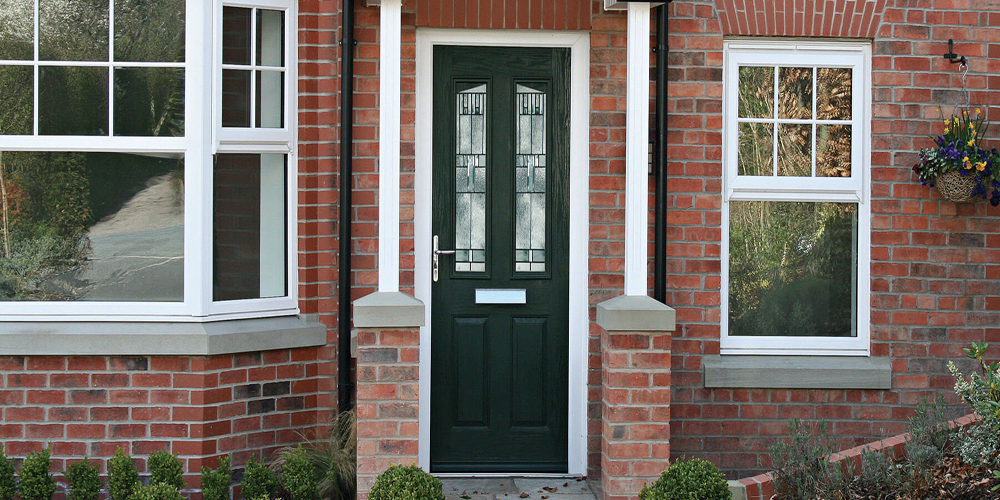
For period properties, heritage colours like deep blues, greens and creams can echo traditional paint shades while benefiting from a modern, durable surface. The look is completed with carefully chosen hardware: chrome handles, letterboxes, knockers and hinges allow you to coordinate the finer details, while decorative glass options can add privacy and character. Many suppliers offer bespoke composite doors, giving you the freedom to specify colours, glazing patterns and hardware combinations that are truly personal to you and your property.
Composite Doors for Different Areas of the Home
Although they are most commonly seen at the main entrance, composite front doors are only one application. Composite back doors are also an excellent choice, providing the same advantages in terms of security, insulation and durability at the rear of your property. For side entrance doors and porch doors, composite designs offer a smart, consistent look around the house, as well as reliable protection in more secluded areas that may be targeted by intruders.
In some layouts, composite doors may also be used for utility room doors or secondary entrances, helping to keep heat in and noise out. When planning a project, it can make sense to think about internal vs external composite doors and whether you want matching front and back doors to create a coherent visual theme. By selecting a coordinated range, you can ensure every entrance to your home is both practical and attractive.
Composite Doors vs uPVC, Timber and Aluminium: Which Is Best for Your Home?
With so many door materials available, it is sensible to compare your options before making a decision. Composite vs uPVC doors is a common comparison. While uPVC doors are generally cheaper, they often cannot match composite doors for strength, security, insulation and long‑term appearance. Composite products tend to feel more solid and substantial, and their finishes are usually more realistic and harder‑wearing.
When looking at composite vs wooden doors, the key advantages are stability and maintenance. Timber can look beautiful, but it requires regular painting or staining and is more prone to warping, swelling and rot if not properly cared for. Composite doors successfully replicate the look of wood while overcoming these drawbacks. Comparing composite vs aluminium doors, aluminium is often favoured for large patio or bifold systems, but can feel colder to the touch and may require thermal breaks to achieve similar insulation. For a standard external entrance, composite doors often offer the best external door material balance of security, thermal efficiency, style and affordability. When assessing cost vs performance and considering the lifespan of composite doors, many homeowners conclude that they represent excellent long‑term value.
Cost of Composite Doors for the Home: What to Expect and What Affects the Price
Naturally, one of the first questions many people ask is: how much do composite doors cost? Composite door prices in the UK vary depending on size, design, security specification, glazing and hardware choices. A simple, unfussy model will usually be at the lower end of the scale, while more intricate styles with decorative glass, side panels or premium finishes will increase the fitted composite door price.
It is helpful to think in terms of budget vs premium doors. Budget options still offer the main benefits of composite construction, but may have fewer customisation choices. Premium ranges typically provide enhanced security features, thicker cores, more detailed designs and longer guarantees. When considering the cost of front door replacement, it is worth remembering that a high‑quality composite door can increase your home’s value, reduce energy bills and cut maintenance costs over many years. Many suppliers also offer flexible ways to pay, so financing home improvements such as a new front door can be more manageable than you might expect.
Choosing the Right Supplier and Installer in the UK
The quality of your composite door is only as good as the company that supplies and installs it. When researching composite door companies in the UK, look for evidence of experience, good customer reviews and clear product information. It is strongly recommended to choose a FENSA registered installer or CERTASS installer, as these schemes help ensure that the work meets building regulations and industry standards.
Trusted door fitters will be happy to advise you on suitable designs, demonstrate security features and explain how their made‑to‑measure doors are manufactured. Reputable local composite door suppliers should also provide solid door warranties, covering the product and, ideally, the installation too. Good aftercare and guarantees give you peace of mind that, if any issues do arise, they will be dealt with promptly and professionally.
Measuring, Ordering and Installation: What Homeowners Need to Know
Getting the right fit is crucial for performance and appearance, so understanding how to measure for a composite door is important. Many homeowners prefer to let their installer handle the measuring to avoid mistakes, but if you are ordering a composite door online, you will often be given clear guidance on how to take accurate measurements. Once the details are confirmed, your door will be manufactured to size, with typical lead times in the UK ranging from a few weeks to a couple of months depending on demand and specification.
The door installation process usually includes removing the old frame and door, preparing the opening and fitting the new frame and door leaf securely. A professional installer will also seal around the frame, adjust the hinges and locks, and make sure the door operates smoothly. Replacing an old front door is generally a straightforward, hassle‑free installation when handled by experienced fitters, and they will ensure that building regulations for doors are fully met, including any requirements on thermal performance and safety glazing.
Maintenance and Care: Keeping Your Composite Door Looking New
Once installed, one of the biggest advantages of a composite door is how easy it is to look after. Learning how to clean a composite door is simple: most of the time, a soft cloth, mild soapy water and a gentle wipe are all that is needed to keep the surface free from dirt and marks. Because they are designed as low maintenance doors, you will not need to sand, paint or varnish them to maintain their appearance.
A few basic door care tips will help preserve long‑term performance. Avoiding scratches by not using abrasive pads or harsh chemicals on the surface is advisable. It is also sensible to check and lightly lubricate moving parts, such as maintaining locks and hinges, once or twice a year to ensure they continue to operate smoothly. By following these straightforward steps, you can help keep the colour and finish looking fresh and ensure your composite door continues to perform at its best for many years.
Real‑Life Transformations: Before and After Composite Doors for the Home
The impact of a new composite door is often most obvious when you compare front door makeover photos. Before and after composite doors for the home can show an astonishing kerb appeal transformation, changing a tired, dated entrance into a smart, welcoming focal point. Home renovation ideas frequently highlight front doors because they are such a visible and cost‑effective way to refresh a property’s appearance.
In many composite door case studies, homeowners report not only loving the new look but also noticing practical improvements such as a warmer hallway, fewer draughts and a sense of increased security. Positive homeowner reviews and testimonials regularly mention compliments from neighbours and estate agents, and in some cases a perceived property value increase. All of this reinforces the idea that upgrading your entrance door is a relatively small project that can have a very big impact.
Now Is the Ideal Time to Upgrade to Composite Doors for the Home
With rising energy costs, growing security concerns and an increasing focus on home comfort and appearance, now is an ideal time to upgrade to a composite door. The benefits of replacing your front door with a modern composite option are clear: you can boost home security with robust locks and police‑approved designs, improve energy efficiency through better insulation and draught reduction, and increase kerb appeal with a stylish, tailored entrance.
If you are considering the change, it makes sense to explore your options and get professional advice. Many companies allow you to book a free quote, request a composite door brochure or visit a showroom to see designs in person and feel the quality for yourself. By taking the next step and arranging to get a composite door fitted, you can enjoy a more secure, efficient and attractive home for years to come.