Why Home Interior Design Ideas Matter More Than Ever
Home interior design ideas are no longer just about making a space look “nice”; they are increasingly essential to how comfortably and efficiently we live. With more people working from home, rising housing costs, and compact British homes and flats, every square metre has to work harder. A thoughtful approach to British interior style and home décor trends can improve your day-to-day life, support your wellbeing, and even add value to your property. Whether you own a Victorian terrace, rent a small city flat or live in a new-build, the right interior inspiration can help you maximise space, reflect your personality and create a home that truly feels like a sanctuary. And crucially, decorating on a budget in the UK is entirely possible with smart planning and realistic awareness of the cost of decorating, from paint and flooring to furniture and trades.
Colour Palettes that Work with UK Light
Choosing paint colours for grey UK light is one of the most important decisions you can make. Our often overcast skies and short winter days mean that colours which look fresh and bright on a sunny Pinterest board can appear cold and flat in a British home. Warm neutrals – think soft greiges, warm whites and putty tones – help counteract cool daylight and make rooms feel welcoming rather than stark. Heritage paint colours inspired by period homes, along with Farrow & Ball–style palettes, tend to include complex, muted shades that sit beautifully with UK light, avoiding the clinical look that some basic whites can create.
Earthy tones, such as terracotta, ochre and olive, bring depth and cosiness, while deep blues and greens can add drama without overwhelming a space when balanced with lighter trim and plenty of texture. Accent walls and colour zoning are practical tools in British homes, especially in open-plan spaces, allowing you to visually separate a desk area, dining corner or reading nook without building walls. When choosing paint for north-facing rooms, lean into warmer undertones to offset the naturally cool light, and avoid sharp blue-greys. For small room colour ideas, don’t be afraid of deeper hues; when paired with good lighting and lighter furnishings, they can make compact spaces feel intimate and considered rather than cramped.
Living Room Home Interior Design Ideas
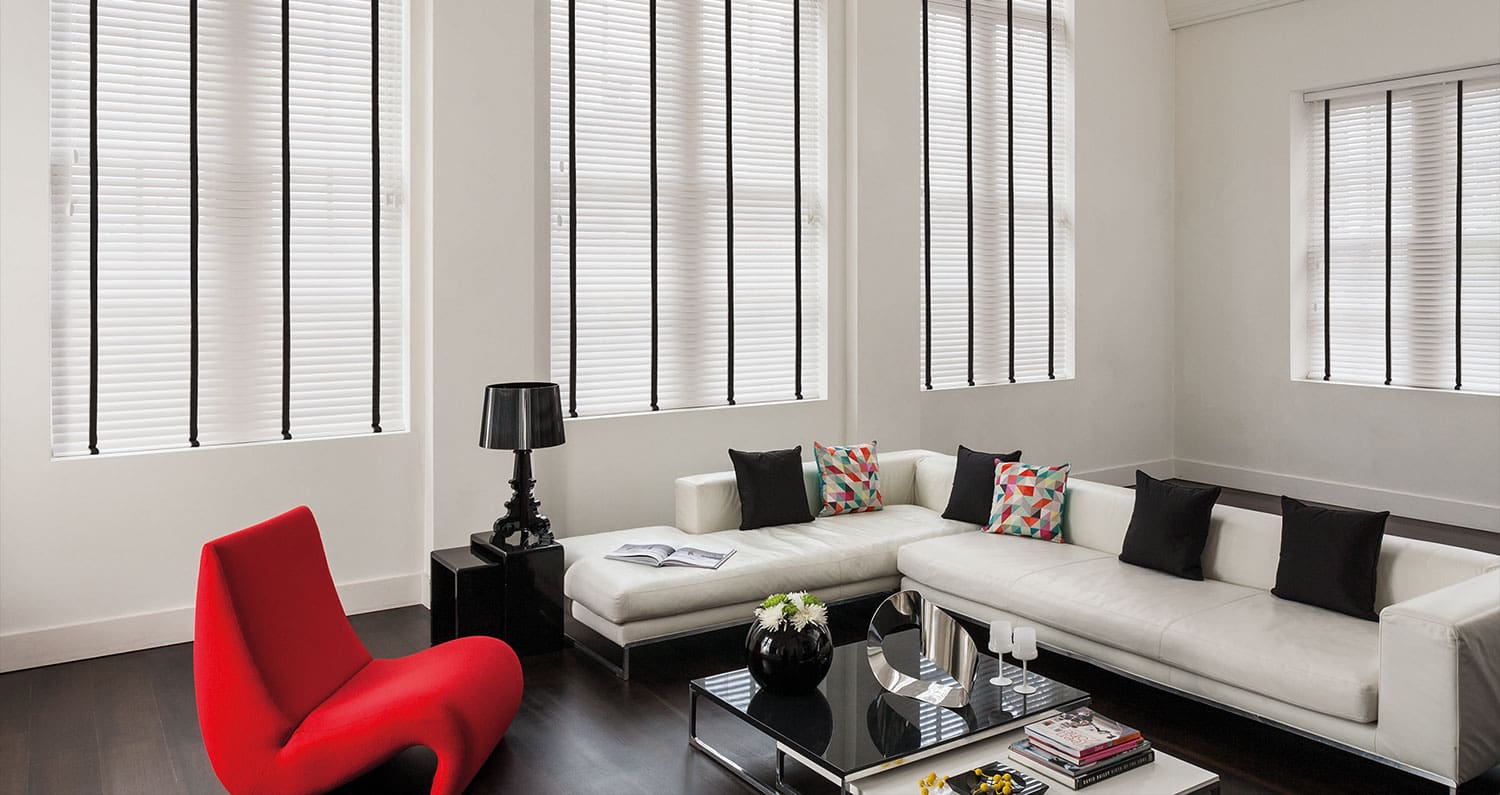
Living rooms in homes often have to perform multiple roles: TV room, playroom, entertaining space and sometimes home office. Living room ideas, therefore, need to focus on smart layouts, durability and comfort. In a small living room layout, avoiding bulky furniture is key; opt for slim-armed sofas, nesting coffee tables and wall-mounted lighting to free up floor space. If you’re lucky enough to have a bay window, bay window seating can provide extra seating, hidden storage and a charming focal point.
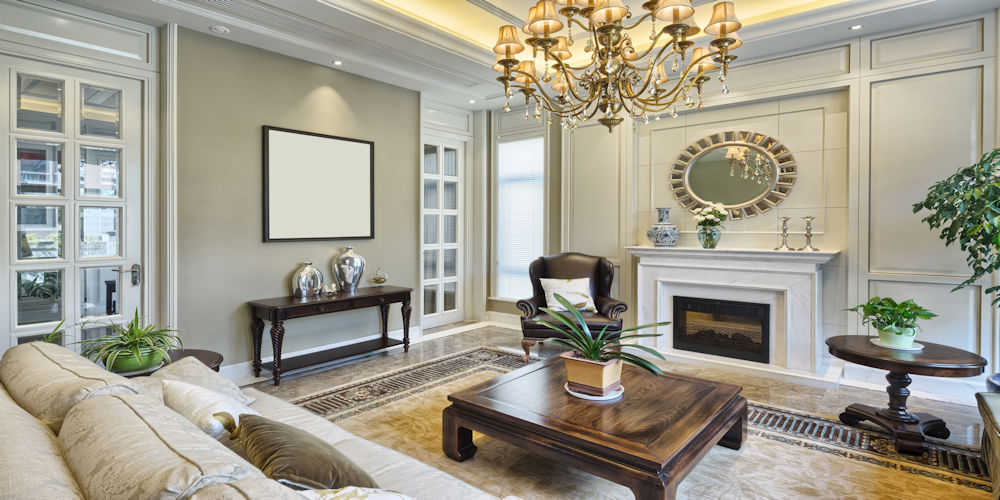
Fireplace styling – whether you have a working fire, a stove or just an original mantel – offers an opportunity to bring character into the room with mirrors, art, candles and seasonal décor. Thoughtful TV wall ideas, such as building media units into alcoves or painting the wall behind the TV a darker shade, can help screens blend in rather than dominate. Open-plan living benefits from defined zones created with rugs, sofas positioned as room dividers, and changes in lighting. Family-friendly living rooms should prioritise washable covers, rounded edges and closed storage to hide toys and clutter. Layering textures – wool rugs for wooden floors, linen curtains, velvet cushions and knitted throws – will instantly make British living rooms feel richer and more inviting, especially during long, dark evenings.
Kitchen Design Ideas for British Homes
Kitchens are often the hardest-working rooms in British homes, so kitchen design ideas must balance practicality with style. Many of us live with a galley kitchen layout or small kitchen footprints, making small kitchen storage a top priority. Use the full height of your walls with tall cupboards or open shelving, and consider pull-out larders, corner carousels and drawer organisers to make every inch count. Choosing between open shelving vs cupboards will depend on your lifestyle: open shelves create a light, airy look and are ideal for displaying attractive everyday items, while cupboards keep visual clutter at bay.
Kitchen islands can add precious extra prep space, storage and social seating, but they must be sized carefully in smaller rooms to maintain good circulation. Shaker kitchens remain popular for their timeless look and work equally well in period properties and new-builds, while modern kitchens with flat-fronted cabinets suit contemporary flats and open-plan schemes. If you’re renting, rental-friendly kitchen updates such as peel-and-stick tiles, upgraded handles, freestanding islands and stylish rugs can transform a dated space without permanent changes. Tiling ideas, from classic metros to patterned encaustic-style options, let you inject personality. For a budget kitchen makeover, focus on repainting cabinets, updating lighting and replacing tired taps or splashbacks rather than ripping everything out.
Bedroom Design Ideas for Restful Retreats
Bedrooms should feel like restful retreats from busy lives and unpredictable weather. Bedroom ideas often centre on creating a calm, cocooning atmosphere through colour, lighting and textiles. In small bedroom design in the UK, choose a bed that fits the room proportionally and consider wall-mounted bedside lights to free up surface space. Wardrobe solutions such as fitted wardrobes, sliding doors or using awkward alcoves for hanging space can dramatically increase storage without crowding the room. Under-bed storage in the UK, from lift-up ottoman beds to slim drawers, is invaluable for storing out-of-season clothes and spare bedding.
Calm bedroom colours – soft blues, greens, warm neutrals and muted blushes – can promote relaxation, especially when our evenings are long and dark for much of the year. Blackout curtains are especially important given early summer sunrises and street lighting; pairing them with a lighter sheer layer allows flexibility. Cosy bedding, including breathable natural fibres, wool throws and layered cushions, helps create a hotel-like feel. Headboard ideas range from upholstered designs for extra comfort and warmth to wall-hung panels that add pattern without taking up floor space. For renters, rental bedroom ideas such as removable wallpaper, freestanding wardrobes and statement lamps can dramatically change the mood of a room without violating your tenancy agreement.
Bathroom and Cloakroom Ideas for Compact Spaces
Many British homes have small bathrooms and tiny cloakrooms, so small bathroom ideas need to be especially space-savvy. Cloakroom design and downstairs loo inspiration in the UK often lean into bold choices: striking paint colours, patterned tiles or fun wallpapers can make up for the lack of floor area and create a memorable little jewel box of a room. In main bathrooms, deciding between a walk-in shower vs bath will depend on your lifestyle and resale priorities; a walk-in shower can make a compact space feel larger and easier to maintain, while a bath may be essential for families.
Tiling small bathrooms demands careful thought: larger tiles can actually make the space appear bigger by reducing grout lines, while vertical patterns can draw the eye upwards. Bathroom storage is often overlooked; wall-hung units keep the floor clear, making rooms appear larger and easier to clean. Heated towel rails are an excellent dual-purpose feature, providing warmth and drying in our damp climate. Mirrors to enlarge space are invaluable; a large mirror or mirrored cabinet will bounce light around and visually double the room’s size. For a budget bathroom refresh in the UK, consider re-grouting, painting existing tiles, changing taps and updating accessories rather than full replacement.
Hallway, Landing and Under-Stairs Ideas
Hallways in the UK are typically narrow and can easily become dumping grounds. Thoughtful hallway ideas focus on combining practicality with a welcoming first impression. Narrow hallway design benefits from slimline shoe cabinets, wall-mounted coat hooks and shallow consoles to avoid blocking routes. Under-stairs storage is one of the most underused opportunities in British homes; custom drawers, open shelves or even a compact desk area can transform dead space.
Shoe storage should be easy to access but discreet, helping to keep muddy boots and school shoes corralled. Coat storage can be layered: hooks for everyday items and a closed cupboard for bulkier coats and seasonal gear. Wall panelling in the the home, from simple tongue-and-groove to elegant shaker styles, can protect walls from scuffs and add character, especially in newer homes. Staircase runner ideas offer a chance to introduce colour and pattern while improving safety. Landings can often host a small landing office nook, reading chair or bookcase if planned carefully. Gallery walls, especially in hallways and stairs, allow you to display family photos, art prints and souvenirs, making your entrance hall décor feel personal and lived-in.
Maximising Small Spaces in Homes and Flats
With many people living in small flats and compact houses, small flat design in the UK needs to be extremely efficient. Studio apartment ideas in the UK often revolve around zoning: using rugs, lighting, colour changes and furniture placement to suggest separate areas for sleeping, working and relaxing. Multifunctional furniture such as sofa beds, extendable dining tables and storage ottomans is invaluable when every piece has to justify its footprint. Foldaway desks can turn a corner into a home office during the day and disappear at night.
Sofa beds make it possible to host guests even in tiny living rooms, while room dividers in the UK – from open shelving units to curtains or sliding panels – can create privacy without major building work. Vertical storage, including tall bookcases, wall-mounted shelves and high-level cupboards, draws the eye up and keeps floors clear. Built-in joinery can transform awkward alcoves and eaves into useful cupboards or desks. A compact home office in the UK might be tucked into a landing, under the stairs or in a bedroom corner, supported by good lighting and closed storage. Even balcony and small outdoor space ideas, such as foldable bistro sets, vertical planting and outdoor rugs, can extend your living area during better weather.
Blending Old and New: Period Features and Modern Living
Many British properties are rich in character, and the best interiors celebrate this. Victorian terrace interiors and Edwardian home ideas often centre on retaining period features such as cornicing, picture rails, ceiling roses and original fireplaces, while updating layouts and finishes for modern living. Cottage style in the UK embraces cosy proportions, exposed beams and rustic finishes, but can be refreshed with lighter colours and simpler furniture.
Retaining period features like sash windows and original floorboards not only preserves charm but can also add value. Careful restoration, such as sanding floors or reinstating a missing fireplace surround, can transform a room. Mixing antique and modern furniture creates a layered look: a mid-century sofa under a decorative coving, or a sleek dining table paired with vintage chairs, can feel both current and rooted. A contemporary cottage look might combine whitewashed walls, painted panelling, simple linens and a restrained colour palette with a few well-chosen traditional pieces, achieving a balance between nostalgia and practicality.
UK-Specific Storage Solutions for Real Homes
Storage ideas must respond to real constraints: limited loft space, small bedrooms and tight hallways. Clever IKEA hacks in the UK, such as custom fronts on basic cabinets, built-in-looking bookcases or bench seating with hidden storage, can deliver a bespoke feel on a budget. Built-in wardrobes make the most of floor-to-ceiling height and awkward corners, particularly in older properties with uneven walls.
Alcove shelves around chimney breasts are classic solutions for books, media and display, and can be combined with cupboards below for hidden storage. Under-bed drawers help keep out-of-season clothing and linens neatly organised. Loft storage, when properly boarded and insulated, can house seldom-used items and free up valuable room space. Under-stairs cupboards can be reconfigured with pull-out drawers or shelving to avoid dark, inaccessible corners. Utility cupboard ideas, such as stacking machines, using door racks and adding a small worktop, help you squeeze laundry functions into limited space. Toy storage, from labelled baskets to built-in bench seating, helps family homes stay tidy. Simple decluttering tips – like regularly editing belongings and assigning every item a home – underpin all effective storage.
Budget-Friendly Home Interior Design Ideas
Decorating on a budget in the UK is entirely achievable with a bit of creativity and planning. Cheap home décor in the UK doesn’t have to look low-quality; it’s about spending wisely and knowing where to save or splurge. Upcycling furniture – sanding, painting or changing handles on dated pieces – can give you unique items for a fraction of the cost of buying new. Facebook Marketplace finds and charity shop furniture in the UK are superb sources of solid wood pieces and characterful accessories at bargain prices.
DIY projects, from painting walls and woodwork to putting up shelves or panelling, let you invest more in materials while saving on labour. Peel-and-stick tiles in the UK are a popular renter- and budget-friendly way to refresh kitchens and bathrooms. When considering renting vs owning decorating tips, renters should focus on reversible changes and portable pieces like rugs, lighting, curtains and furniture that can move with them. Cost-effective paint updates – such as refreshing skirting boards, doors and radiators, or adding a feature colour to a single wall – can dramatically alter the feel of a room without major expenditure.
Sustainable and Eco-Friendly Design Choices for UK Homes
Sustainable interiors in the UK are becoming increasingly important as we face rising energy bills and environmental concerns. Eco-friendly paint, with low-VOC formulas, helps improve indoor air quality while still offering beautiful colour choices. Choosing natural materials – solid wood, linen, jute, stone – tends to result in longer-lasting, more timeless interiors that age gracefully. Wool rugs provide warmth, durability and natural stain resistance, making them ideal for our climate.
Second-hand furniture is both budget-friendly and sustainable, reducing waste and often offering better craftsmanship than many new flat-pack items. Reupholstery allows you to keep much-loved pieces out of landfill while updating them to suit your current scheme. Energy-efficient lighting in the UK, such as LED bulbs, not only lowers energy use but also produces less heat, which can be useful in well-insulated homes. Simple measures like draught-proofing doors and windows and adding thermal curtains can greatly improve comfort during colder months. Opting for low-VOC finishes on floors and furniture supports a healthier home environment, especially in well-sealed modern houses.
Lighting Strategies for the UK Climate
Lighting ideas in the UK must address our often gloomy days and early winter evenings. A layered lighting approach – combining ambient, task and accent lighting – ensures rooms are both functional and atmospheric. Understanding warm vs cool bulbs is crucial: warmer tones are generally more flattering and relaxing in living spaces and bedrooms, while cooler whites can suit kitchens and home offices where clarity is important.
Ceiling lights provide overall illumination but shouldn’t be relied on alone; wall lights can soften shadows and add character, while floor lamps and bedside lamps create pockets of cosiness. Dimmer switches in the UK are a relatively easy upgrade that allow you to adapt the mood from bright and practical to soft and intimate. Lighting small rooms may involve using wall-mounted or ceiling-hung options to save floor space, while lighting for dark corners can be achieved with plug-in wall lamps or neat uplighters. Statement pendants in the UK, whether over dining tables, kitchen islands or stairwells, act as focal points and can elevate even a simple scheme.
Styling with Textiles, Art and Accessories
The finishing touches are what truly make a house feel like home. Home accessories in the UK – from cushions and throws to candles and books – add personality and softness. Layering cushions and throws in varied textures and patterns can instantly refresh a sofa or bed without changing the furniture itself. Rugs in the UK are essential for defining zones, softening hard floors and adding warmth, especially on floorboards or tiles.
Supporting British-made textiles, whether wool blankets, woven cushions or printed fabrics, can bring unique pieces into your home and support local makers. Art prints in the UK are widely available at many price points; mixing framed prints, original pieces and personal photographs gives your walls interest and character. Gallery wall ideas include arranging pieces around a central line, following the staircase, or creating a grid for a cleaner look. Plants in UK homes help purify the air and bring life to interiors; understanding indoor plant care in the UK climate – including lower light levels in winter – will help them thrive. Vases and ceramics, from simple glass vessels to handmade pottery, add sculptural interest. Coffee table styling and shelf styling in the UK often follow a “mix of heights and textures” rule: stack books, add a tray, include a candle, plant or small sculpture, and leave some negative space so surfaces don’t feel cluttered.
When to Call a Professional: Interior Designers and Trades
There comes a point when professional help can save you time, stress and expensive mistakes. Professional interior designers can help you pull together a cohesive look, maximise awkward layouts and avoid costly errors with furniture sizing, lighting plans and materials. Online interior design services in the UK and e-design packages offer more affordable access to expert advice, often providing mood boards, floor plans and shopping lists you can implement yourself.
When choosing tradespeople – from decorators and carpenters to plumbers and electricians – always seek recommendations, check reviews and ask to see previous work. Understanding the difference between decorators vs designers is useful: decorators focus more on finishes and furnishings, while designers can help with layout changes and more structural decisions. Getting quotes from several trades and ensuring everything is clearly itemised helps you compare like-for-like. For larger projects, being aware of planning permissions in the UK and building regulations basics is essential to avoid legal issues, especially for extensions, structural changes or work in flats. Basic project management tips – such as creating a timeline, ordering long-lead items early and building in contingency – will make the process smoother and less stressful.
Turn Inspiration into Action and Transform Your Home Today
Bringing together home interior design ideas is about more than saving pretty images; it’s about forming a clear plan and taking practical steps. Start with a simple recap of what you want to achieve: better storage, a calmer bedroom, a more sociable kitchen or a full-home refresh. Creating mood boards – whether physical boards or digital collections – helps you see how colours, textures and furniture work together before you spend money.
Set a realistic budget that includes not only furniture and décor but also any trades, delivery costs and a contingency for surprises. Prioritising rooms that will make the biggest difference to your daily life – often the living room, kitchen or bedroom – stops you feeling overwhelmed. Focus first on simple changes with big impact: rearranging furniture, decluttering, adding new lighting, or repainting walls and woodwork. As your confidence grows, you can tackle larger projects, knowing that your home is evolving with a clear vision. Ultimately, the aim is to make your home feel both uniquely British and uniquely yours, reflecting the architecture around you, the UK climate you live in, and your personal tastes and routines.